School workshops

The world of work should be more than a textbook chapter.

Practical workshops for Years 8 and 9 of Czech basic schools and secondary school students. Strengths, choosing a school, CVs, interviews and AI. Students try things out, rather than just taking notes.

I develop these programmes in partnership with Lexnova.

Secondary school · especially final two years

What comes after school? Try the first steps.

Students practise CVs, interviews and professional profiles. We connect their strengths with further study, first jobs and practical use of AI.
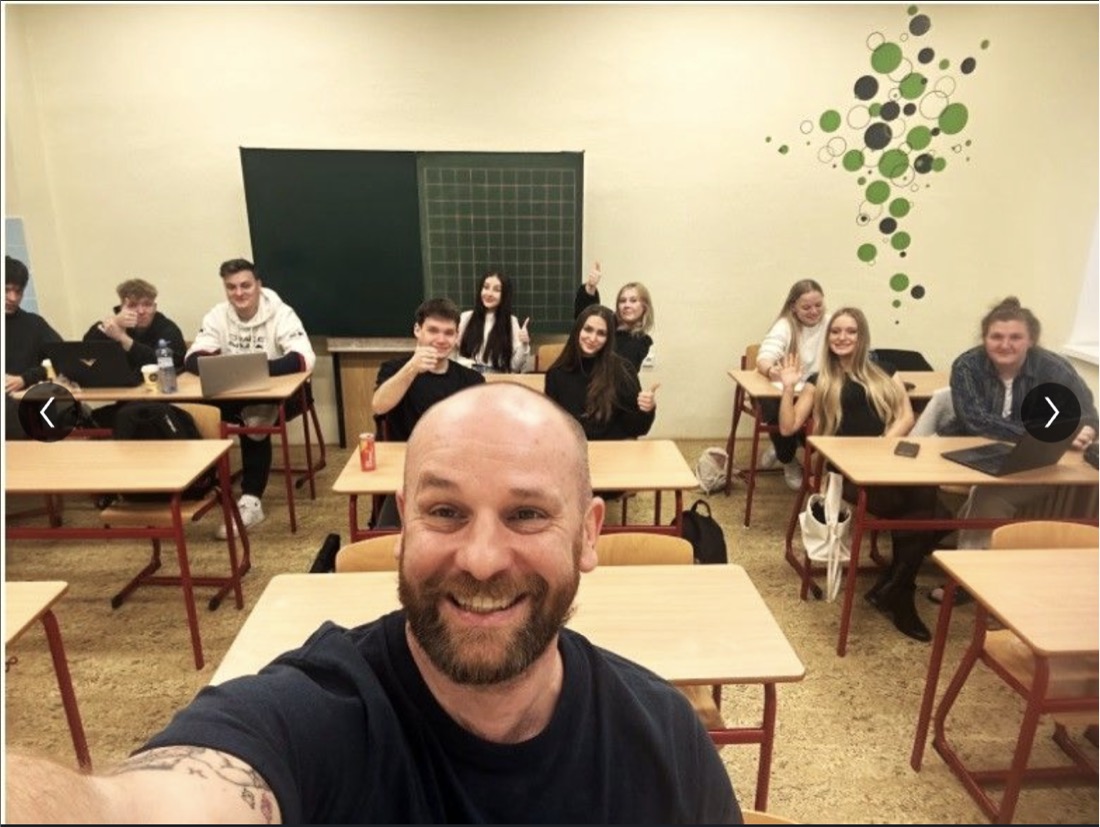
Teenagers sitting in a classroom during an educational activity.
Programme topics and outcomes

What it helps solve

  • The transition to university and uncertainty about what it really means.
  • Entering the job market without knowing how to navigate it.
  • CVs, interviews and self-presentation without unnecessary stress.
  • Orientation in modern professions schools often do not have time to explain.
  • AI and the future of work without empty hype or fear.
  • The question of what to do next when the options are broad and the certainty is low.

What students take away

  • A clearer sense of how today's labour market works and what has value in it.
  • Practical work on CVs, short interviews and personal professional profile.
  • Useful AI applications for the next step, not just talk about AI.
  • A better ability to describe strengths, talent and possible next moves.
  • More confidence when deciding between university, work, practice or a mixed path.
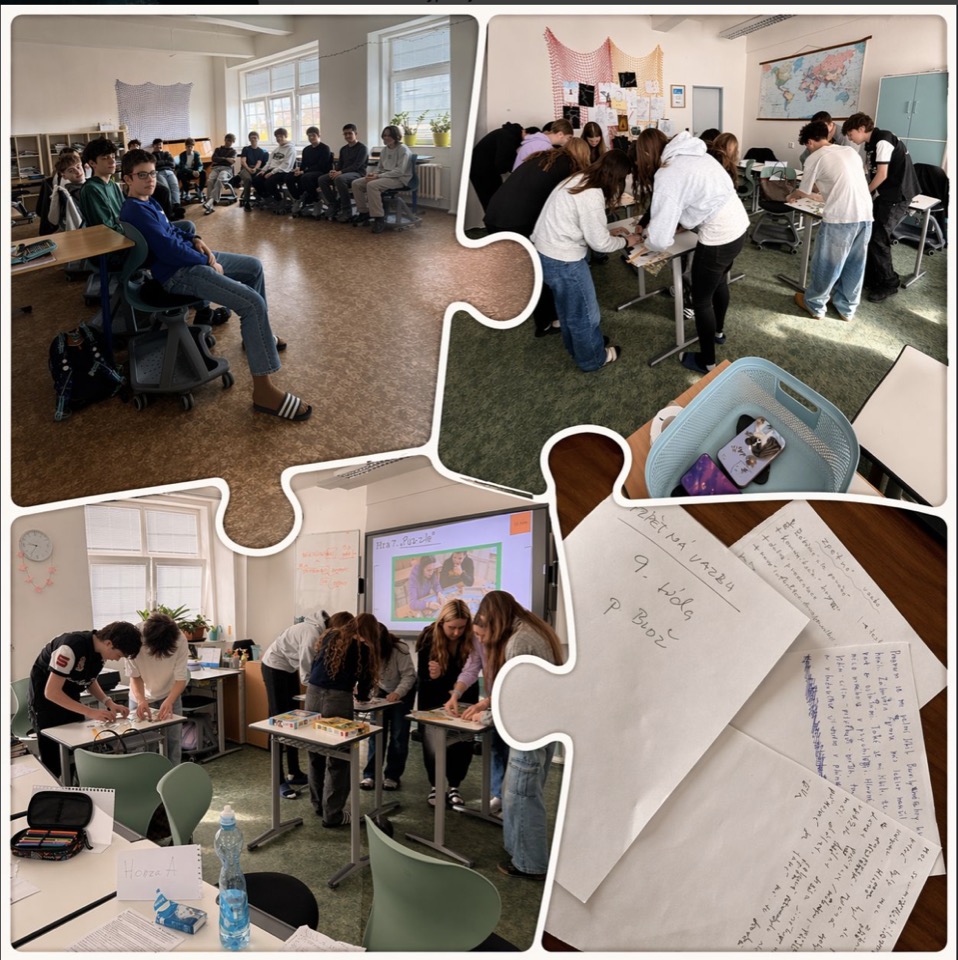
Workshop example on LinkedIn ↗

Czech basic school · Years 8 and 9

Choosing a school and discovering your strengths.

Pupils explore their strengths and different careers, then relate their school choices to what they enjoy and do well. I do not choose their future for them.

Children working together in a classroom during an educational activity.
Programme topics and outcomes

What it helps solve

  • Choosing the next school without a realistic picture of what follows.
  • Limited knowledge of the labour market and how jobs actually work.
  • Unrealistic ideas about professions and about one's own options.
  • Low motivation to study when the link to the future is missing.
  • Too little contact with practice and life outside the classroom.

What students take away

  • A clearer sense of their talents and how they can keep developing them.
  • A better understanding of the difference between what they enjoy and what they might build a future around.
  • A first age-appropriate CV based on what they already know and can do.
  • A short interview and communication practice session.
  • Smart and legal use of AI for CV preparation, interview practice and self-development.
  • Basic orientation in part-time work, work habits and digital footprint.
Workshop example on LinkedIn ↗

Making the arrangements

One workshop, a career day or a whole school year

  • Start: 1 workshop for one class or selected group.
  • Career days: 2-4 workshops during one day for several groups or classes.
  • Year-long career guidance programme: an ongoing format divided into autumn and winter/spring phases.

We agree the duration, group size, location and equipment according to the students’ age and the school’s goals. I prepare a quote based on scope and location. Tell me the year group, number of students, town and approximate date.

Planning to use OP JAK funding? Eligibility needs to be checked against the specific call and your school’s project. OP JAK ↗

What the school gains and why a practitioner leads the programme

Why this is different

I do not look at the labour market from the outside. I see it from within.

That is one big advantage I have over many standard workshop facilitators. A lot of students hear career advice from people who have never hired hundreds of employees. Over the last 20 years, I have seen tens of thousands of CVs, hundreds of recruitment processes and thousands of career stories. That means I do not describe an imaginary working world. I talk about the one that actually exists.

Value for the school

A modern addition to teaching without extra burden on teachers

The school gets a practical programme instead of another theoretical talk. Students meet topics that the classroom often only brushes past, but real life soon brings to the front. At the same time, teachers are not expected to build the whole thing themselves. I bring the content, the facilitation and the practical link to the world outside school.

Value for students

Less fog, more orientation and one concrete first move

I do not expect every student to decide on a lifelong career in a single day. The real goal is better orientation, a stronger question and one practical first move they can test right away. At this age, that is often more useful than one more speech from an adult who has forgotten what uncertainty feels like.

What it looks like in practice

Workshops that are not just about sitting and listening

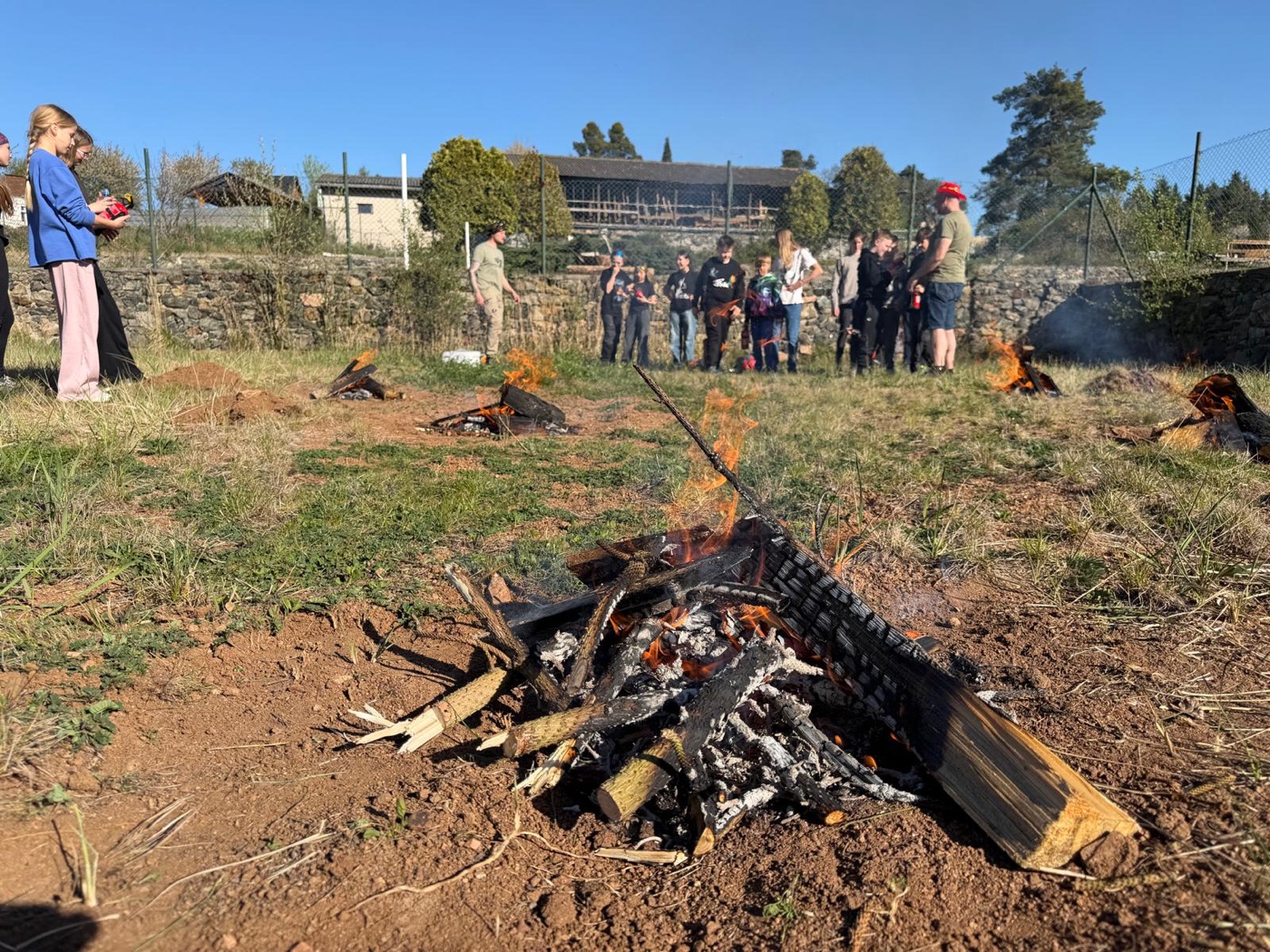
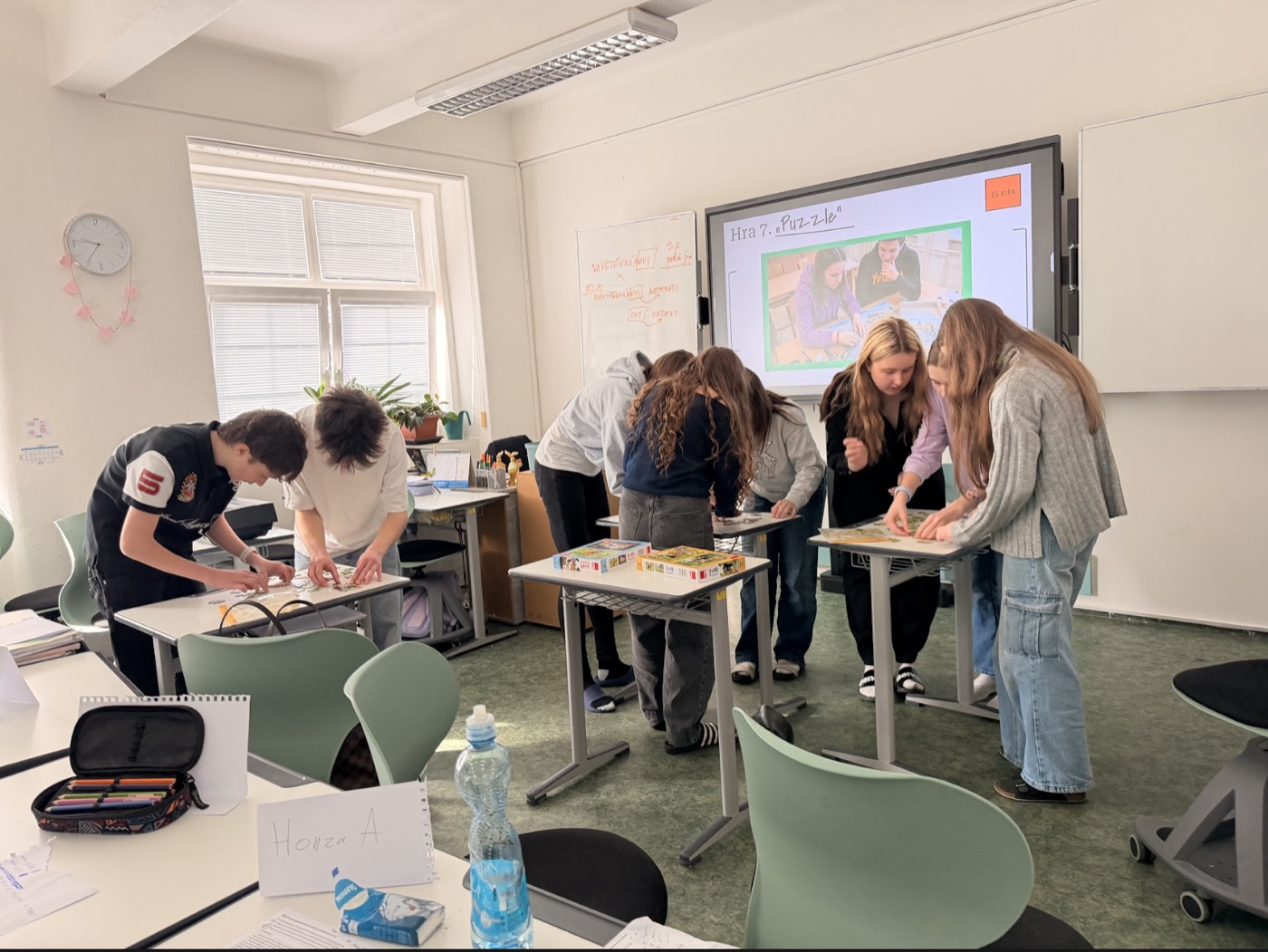
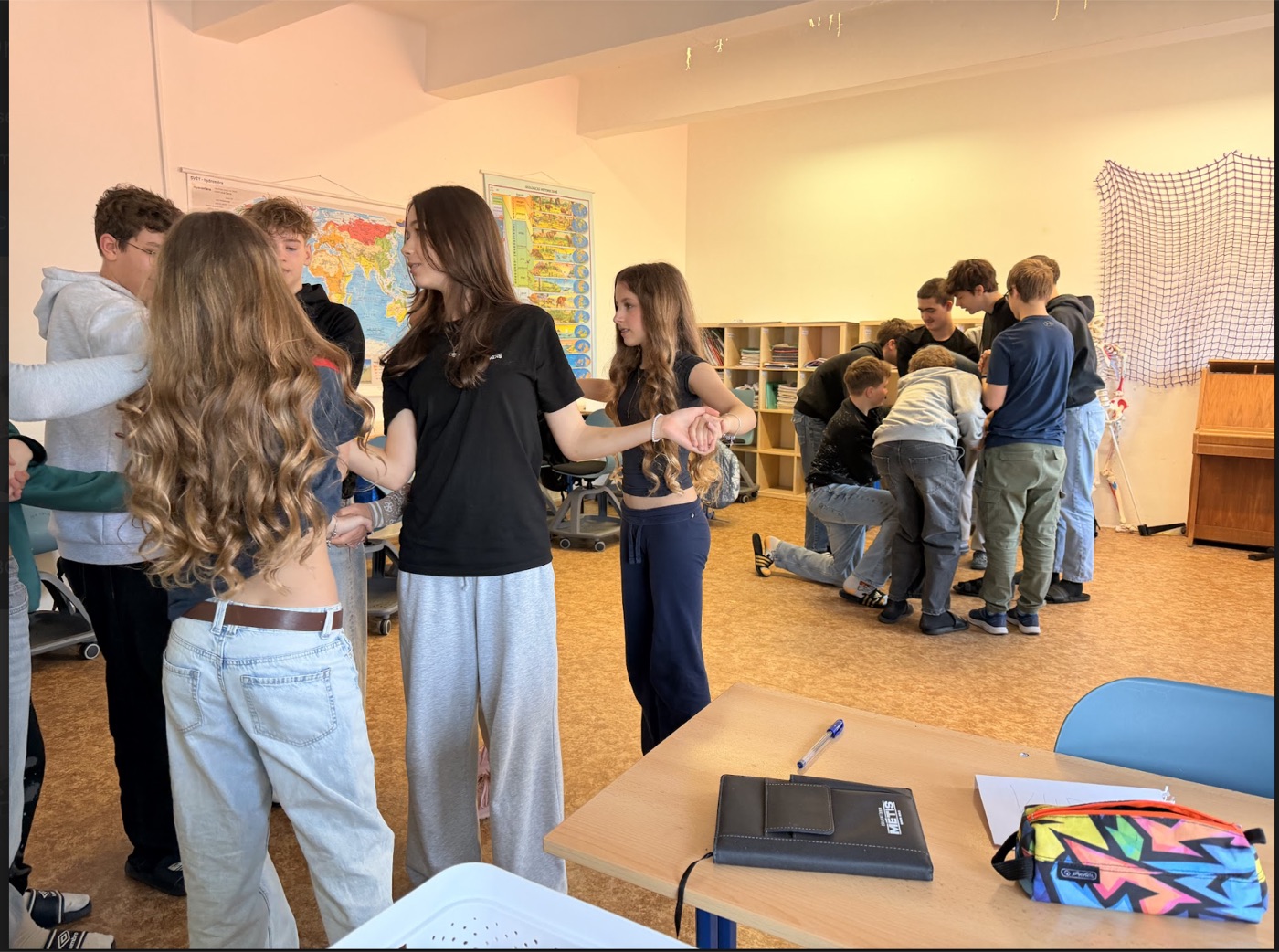
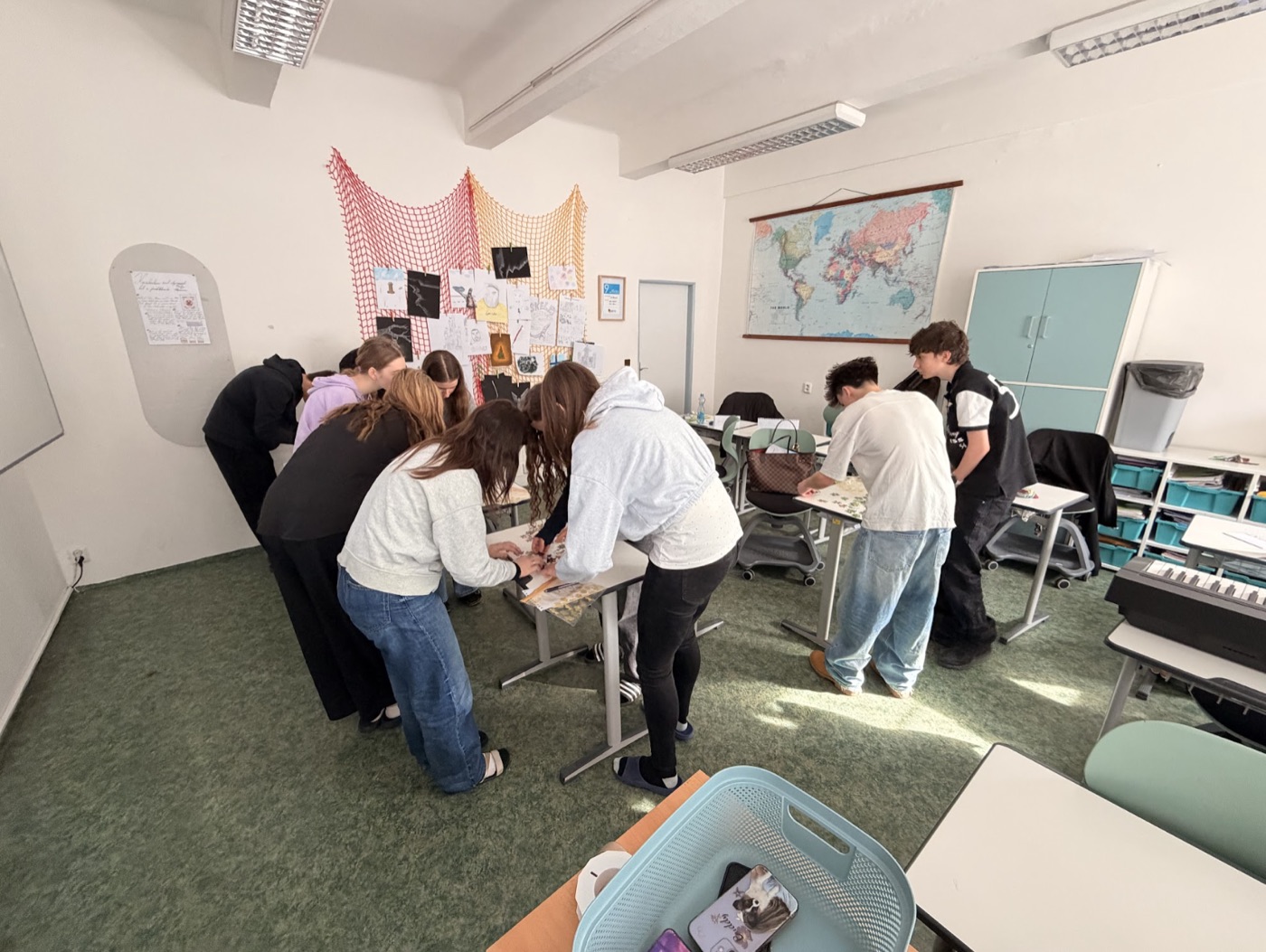
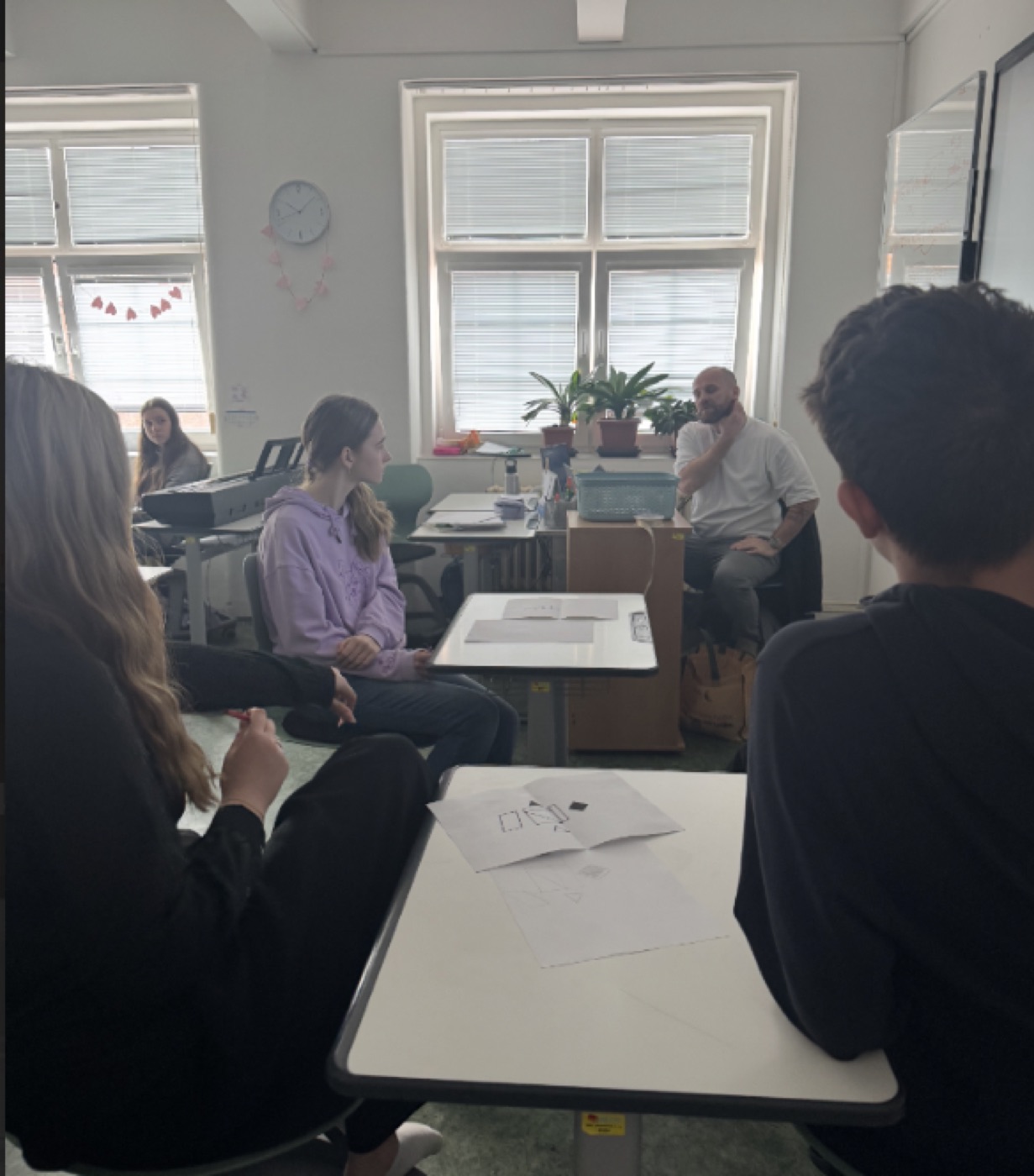
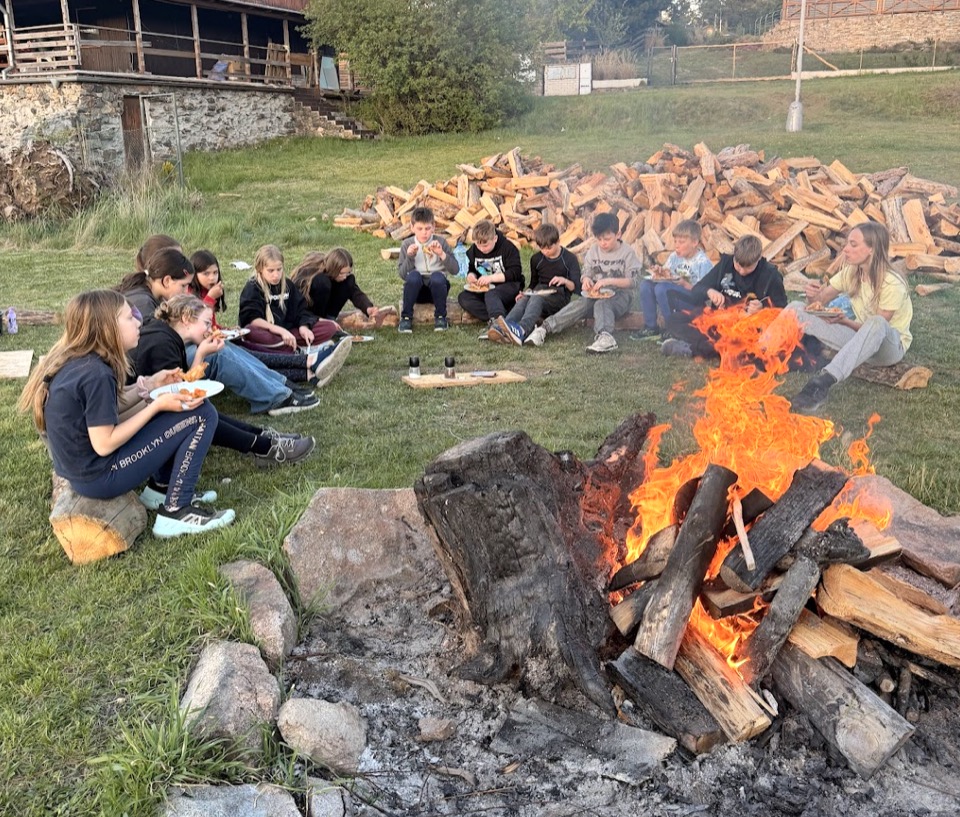
Discussion with students during a classroom workshop. Pupils during the outdoor part of the workshop. Students working in teams in the classroom. Students during a group workshop activity. Interactive student activity during the school programme.
Why I keep going back to school

Believe it or not, I went to school too. And even though I started taking small jobs from a young age and tried to earn a little money for a book or a lemonade, my first real encounter with working life was much tougher than I had imagined.

After thirty years of work experience, including twenty years in HR and people work, I decided to turn those lessons into something useful. I want to make the move from the classroom to working life easier for young people - or perhaps simply easier to understand. I help them discover their strengths, show them how to use those strengths when looking for work, how to search for work in a smart and effective way, and how to build the working habits they will genuinely need.

In other words, I help schools bring the world of work closer to students so it does not remain just theory, but something they can relate to personally. I design these programmes for Years 8 and 9 of primary school and for secondary school students in a way that makes sense to school leaders, teachers, parents and, above all, to the students themselves.

I actually started my cooperation with Lexnova on this programme. Lexnova has always been close to education, training and similar formats, whether for companies or for schools. It therefore makes sense for us to join forces, have as much impact as possible on the younger generation, help them find their bearings and then make their way in the world of work.

And one more thing - it is worth checking funding through the Jan Amos Komensky Operational Programme. Eligibility depends on the specific call and your school's project.

Camps and BOT camps

If you want something a little outside the classroom, I also run camps and Blackout Training programmes for children and young people.

I keep this as a separate stream from the school career programme, but it is worth mentioning. If you are interested in resilience, independence and practical functioning in the field, we can talk about this format too.

Children sitting outside by a fire during a camp and BOT camp.