School Workshops

Career guidance and practical workshops for primary and secondary schools.

Believe it or not, I went to school too. And even though I started taking small jobs from a young age and tried to earn a little money for a book or a lemonade, my first real encounter with working life was much tougher than I had imagined.

After thirty years of work experience, including twenty years in HR and people work, I decided to turn those lessons into something useful. I want to make the move from the classroom to working life easier for young people - or perhaps simply easier to understand. I help them discover their strengths, show them how to use those strengths when looking for work, how to search for work in a smart and effective way, and how to build the working habits they will genuinely need.

In other words, I help schools bring the world of work closer to students so it does not remain just theory, but something they can relate to personally. I design these programmes for Years 8 and 9 of primary school and for secondary school students in a way that makes sense to school leaders, teachers, parents and, above all, to the students themselves.

I actually started my cooperation with Lexnova on this programme. Lexnova has always been close to education, training and similar formats, whether for companies or for schools. It therefore makes sense for us to join forces, have as much impact as possible on the younger generation, help them find their bearings and then make their way in the world of work.

And one more thing - these programmes can also be funded through the Jan Amos Komensky Operational Programme.

Programme for secondary schools

Workshops for students who are figuring out what comes after school, how to enter the world of work, and how not to get lost in today's world of careers, AI and online life.

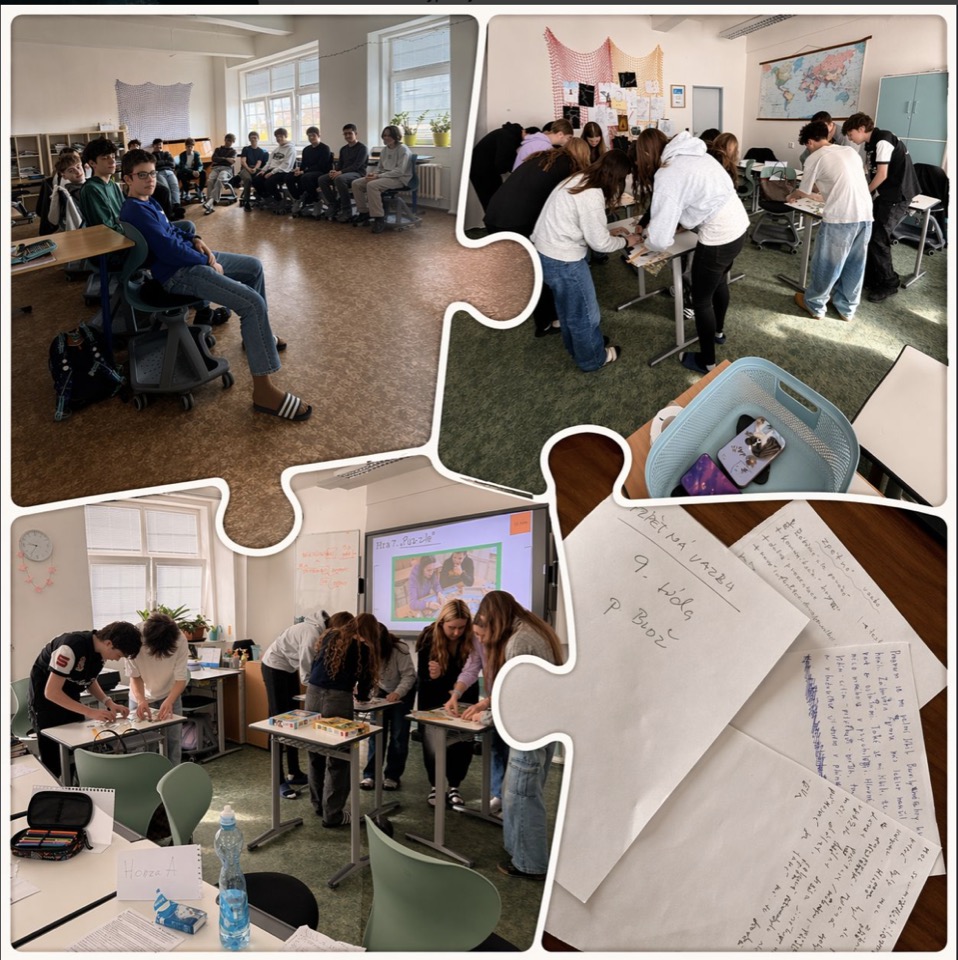
The programme is built around CVs, interviews, part-time jobs and first jobs, online profiles, digital footprint, AI and decisions about what comes next. Not as a lecture, but as a practical format in which students try things out for themselves.

Teenagers sitting in a classroom during an educational activity.

A programme for students standing on the edge of the next big step and trying to decide between university, work or a combination of both.

What it helps solve

  • The transition to university and uncertainty about what it really means.
  • Entering the job market without knowing how to navigate it.
  • CVs, interviews and self-presentation without unnecessary stress.
  • Orientation in modern professions schools often do not have time to explain.
  • AI and the future of work without empty hype or fear.
  • The question of what to do next when the options are broad and the certainty is low.

What students take away

  • A clearer sense of how today's labour market works and what has value in it.
  • Practical work on CVs, short interviews and personal professional profile.
  • Useful AI applications for the next step, not just talk about AI.
  • A better ability to describe strengths, talent and possible next moves.
  • More confidence when deciding between university, work, practice or a mixed path.

Programme for Years 8 and 9 of primary school

A programme for pupils choosing their next school, beginning to discover their talent, and wanting to understand what today's world of work actually involves.

We work with the choice of secondary school, strengths, first ideas about professions, motivation to study and contact with real practice. The goal is not to choose a future for children, but to help them take their first steps more consciously.

Children working together in a classroom during an educational activity.

A programme for the moment when students are making an early decision while still having only a limited understanding of the working world around them.

What it helps solve

  • Choosing the next school without a realistic picture of what follows.
  • Limited knowledge of the labour market and how jobs actually work.
  • Unrealistic ideas about professions and about one's own options.
  • Low motivation to study when the link to the future is missing.
  • Too little contact with practice and life outside the classroom.

What students take away

  • A clearer sense of their talents and how they can keep developing them.
  • A better understanding of the difference between what they enjoy and what they might build a future around.
  • A first age-appropriate CV based on what they already know and can do.
  • A short interview and communication practice session.
  • Smart and legal use of AI for CV preparation, interview practice and self-development.
  • Basic orientation in part-time work, work habits and digital footprint.

Additional information

What students take away, what the school gets and how the cooperation can be shaped.

What students take away

Practical outputs instead of a theoretical talk. A clearer sense of their own strengths, a first version of a CV, a short interview practice, orientation in part-time and first jobs, safer work with an online profile and a better understanding of how AI and digital tools can support their own development.

What the school gets

A programme that connects education with reality. A modern addition to career education, practical use of topics such as AI, online identity and work habits, stronger student competencies and minimal burden on teachers. The school gets an external programme that speaks the language of today's real working world.

Formats of cooperation

From a one-day workshop to a complete school programme. Cooperation can be built as a one-off workshop, a career day, a multi-day format or a longer series of follow-up sessions. For secondary schools, a wider version for whole year groups or a programme tailored to a specific field of study and the needs of school leadership also makes sense.
Camps and BOT camps

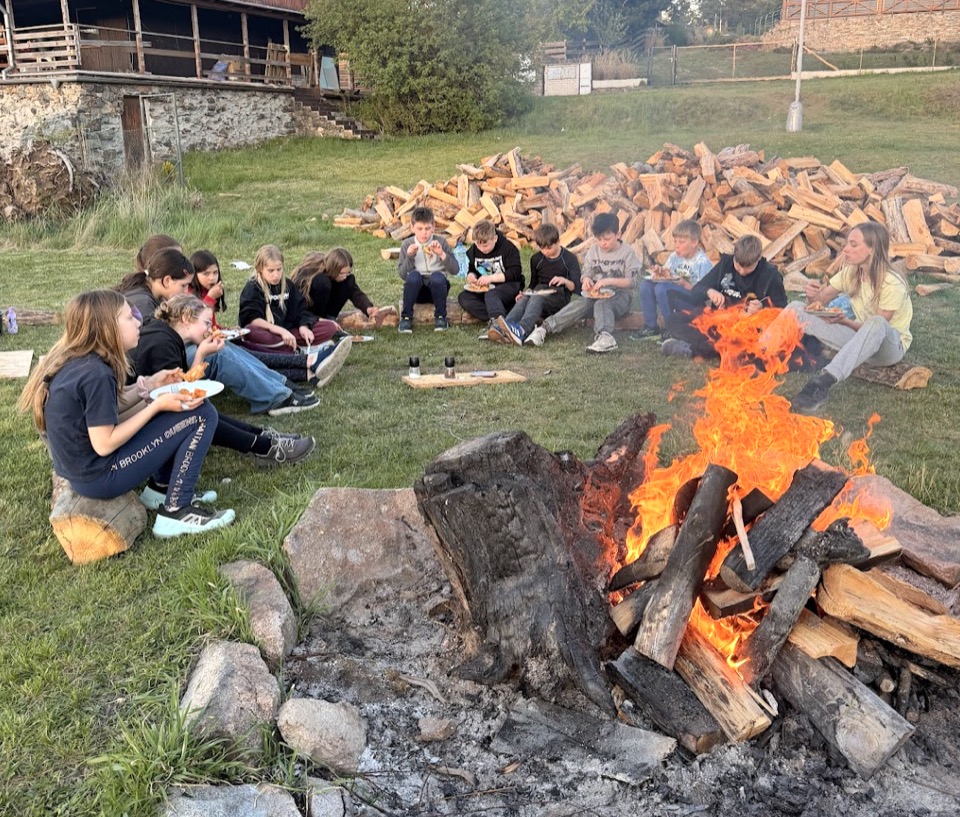
If you want something a little outside the classroom, I also run camps and Blackout Training programmes for children and young people.

I keep this as a separate stream from the school career programme, but it is worth mentioning. If you are interested in resilience, independence and practical functioning in the field, we can talk about this format too.

Children sitting outside by a fire during a camp and BOT camp.