Programme for Years 8-9
Choosing the next school without unnecessary guesswork
A programme for the moment when students are making an early decision while still having only a limited understanding of the working world around them.
What it helps solve
- Choosing the next school without a realistic picture of what follows.
- Limited knowledge of the labour market and how jobs actually work.
- Unrealistic ideas about professions and about one's own options.
- Low motivation to study when the link to the future is missing.
- Too little contact with practice and life outside the classroom.
What students take away
- A clearer sense of their talents and how they can keep developing them.
- A better understanding of the difference between what they enjoy and what they might build a future around.
- A first age-appropriate CV based on what they already know and can do.
- A short interview and communication practice session.
- Smart and legal use of AI for CV preparation, interview practice and self-development.
- Basic orientation in part-time work, work habits and digital footprint.
Programme for Years 3-4 of secondary school
Deciding what comes next with more clarity and a better sense of direction
A programme for students standing on the edge of the next big step and trying to decide between university, work or a combination of both.
What it helps solve
- The transition to university and uncertainty about what it really means.
- Entering the job market without knowing how to navigate it.
- CVs, interviews and self-presentation without unnecessary stress.
- Orientation in modern professions schools often do not have time to explain.
- AI and the future of work without empty hype or fear.
- The question of what to do next when the options are broad and the certainty is low.
What students take away
- A clearer sense of how today's labour market works and what has value in it.
- Practical work on CVs, short interviews and personal professional profile.
- Useful AI applications for the next step, not just talk about AI.
- A better ability to describe strengths, talent and possible next moves.
- More confidence when deciding between university, work, practice or a mixed path.
How the cooperation can be shaped
From one workshop to a year-long programme
Sometimes one focused workshop is enough. Sometimes it makes more sense to run several sessions in a day, and sometimes the best format is a longer programme across the school year.
- Start: 1 workshop for one class or selected group.
- Career days: 2-4 workshops during one day for several groups or classes.
- Year-long career guidance programme: an ongoing format divided into autumn and winter/spring phases.
Why this is different
I do not look at the labour market from the outside. I see it from within.
That is one big advantage I have over many standard workshop facilitators. A lot of students hear career advice from people who have never hired hundreds of employees. Over the last 20 years, I have seen tens of thousands of CVs, hundreds of recruitment processes and thousands of career stories. That means I do not describe an imaginary working world. I talk about the one that actually exists.
Value for the school
A modern addition to teaching without extra burden on teachers
The school gets a practical programme instead of another theoretical talk. Students meet topics that the classroom often only brushes past, but real life soon brings to the front. At the same time, teachers are not expected to build the whole thing themselves. I bring the content, the facilitation and the practical link to the world outside school.
Value for students
Less fog, more orientation and one concrete first move
I do not expect every student to decide on a lifelong career in a single day. The real goal is better orientation, a stronger question and one practical first move they can test right away. At this age, that is often more useful than one more speech from an adult who has forgotten what uncertainty feels like.
What it looks like in practice
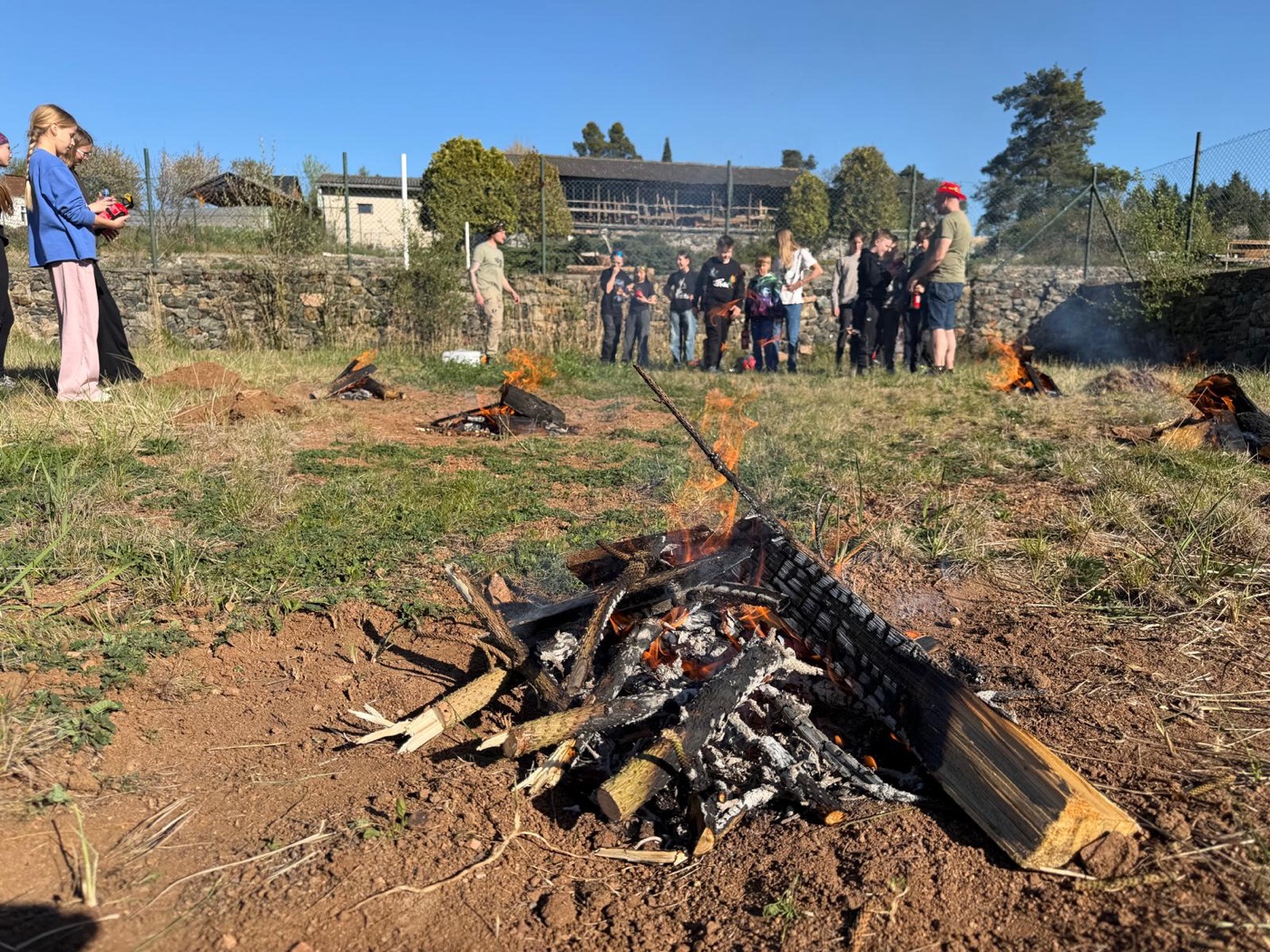
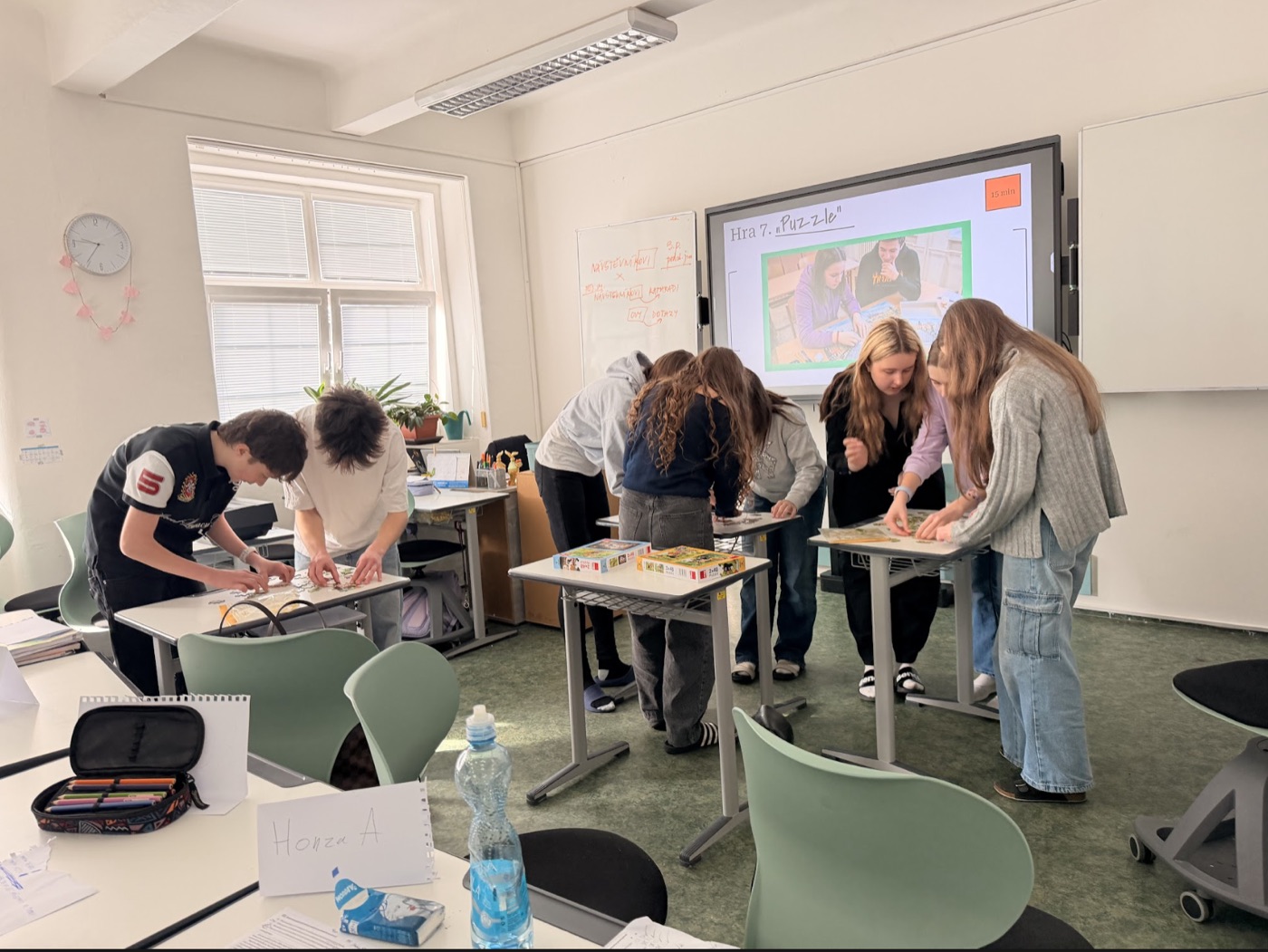
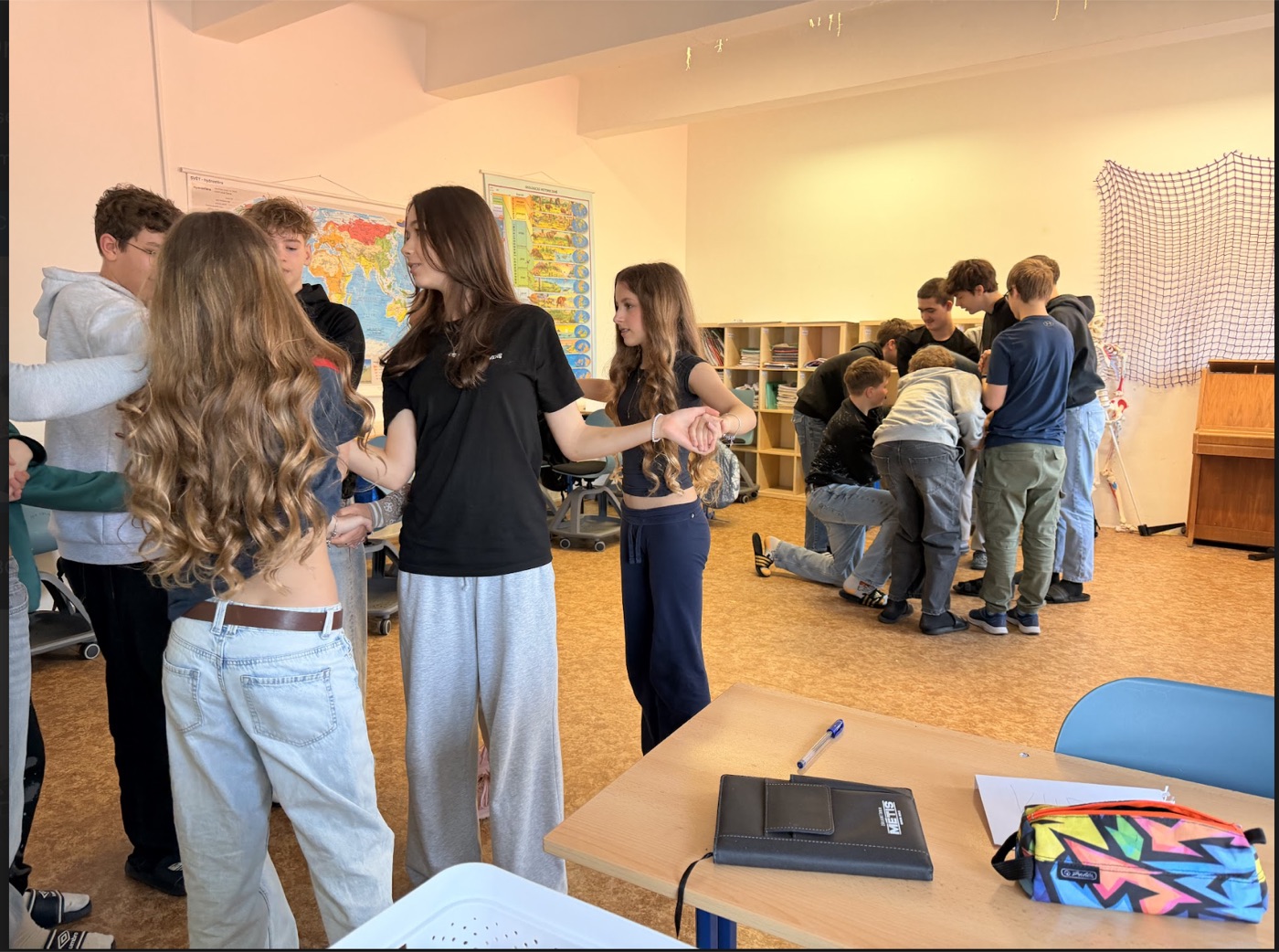
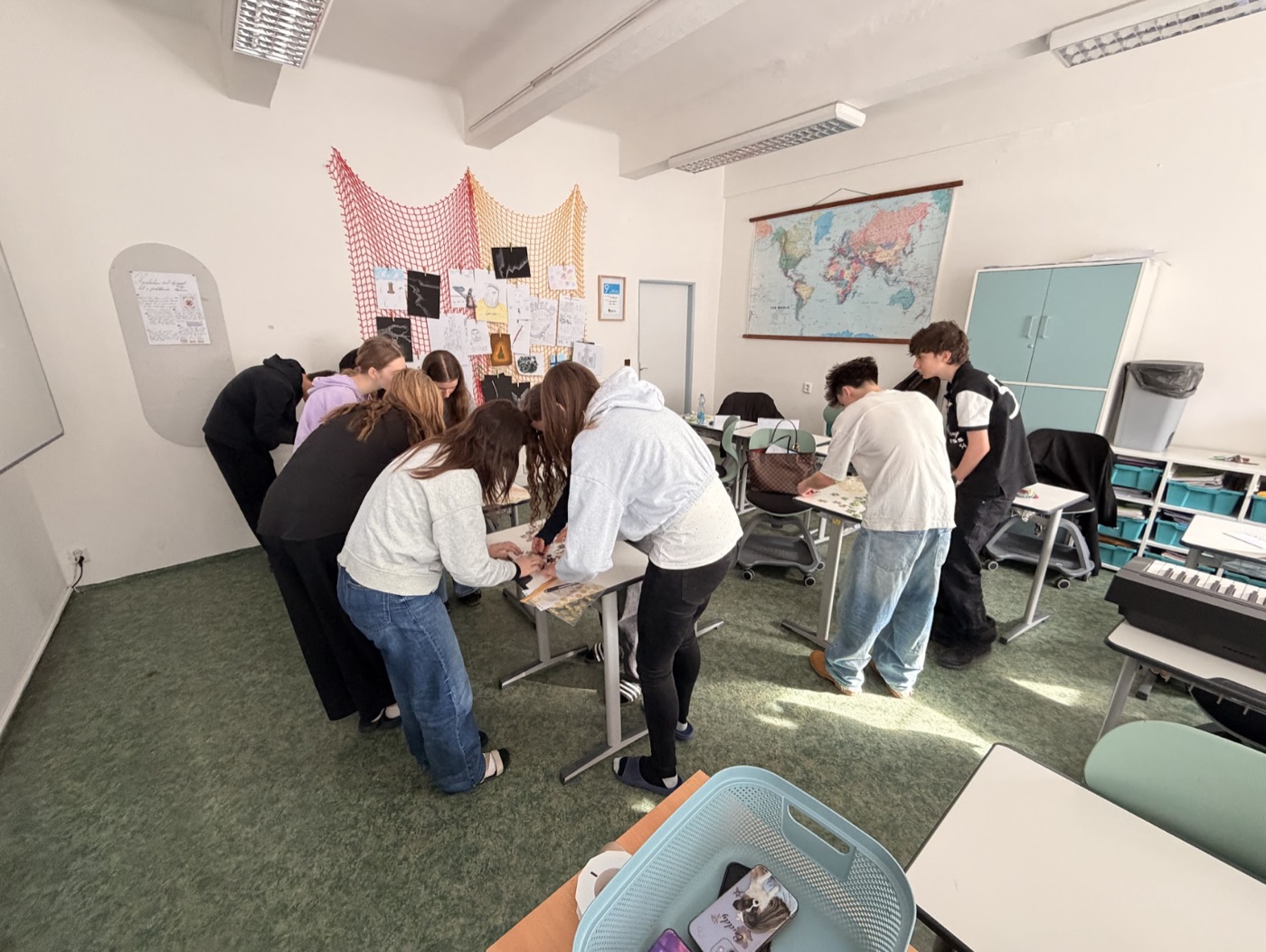
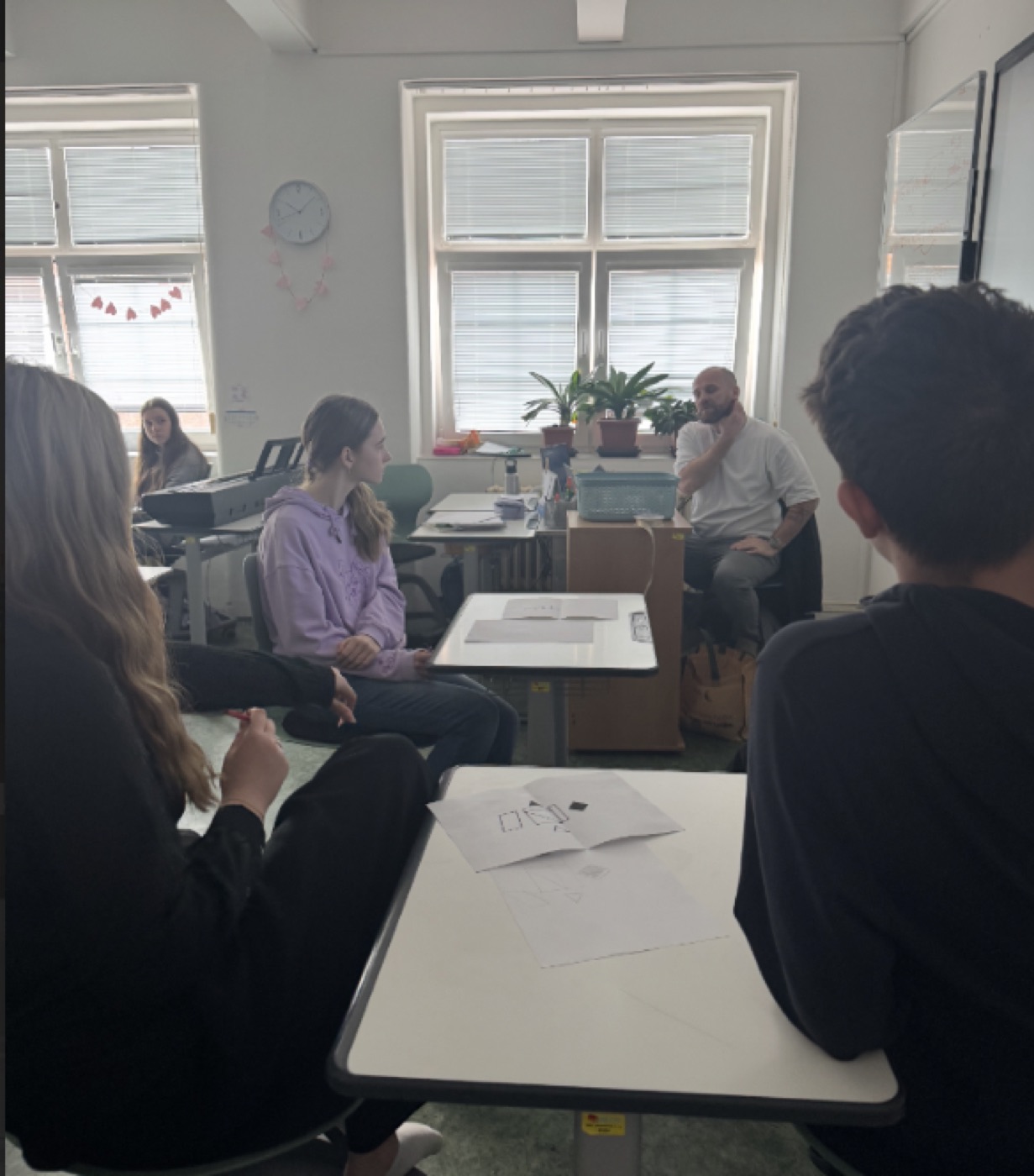
Workshops that are not just about sitting and listening